
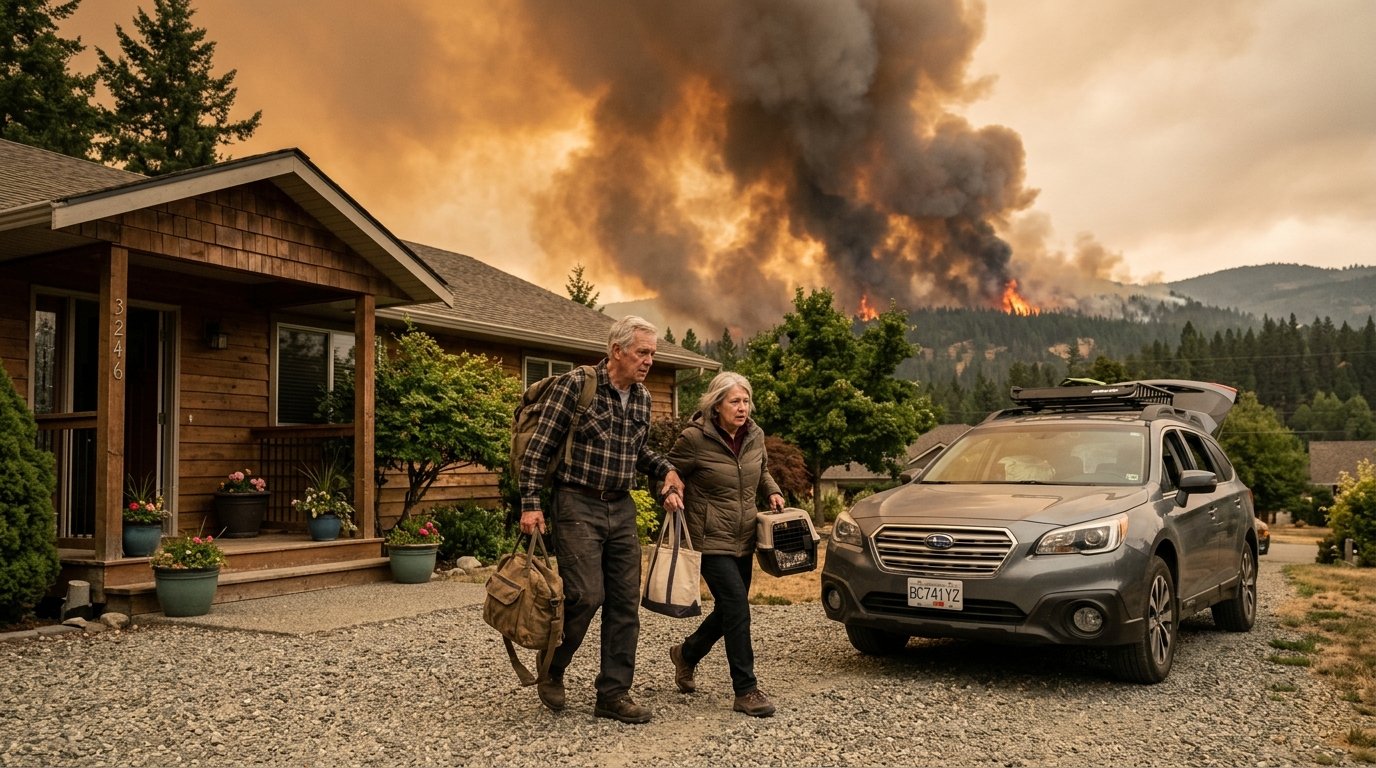
The 72 Hour Go Bag
What is a 72 Hour Go Bag?
A 72 hour go bag is a pre-packed, grab and go kit designed to sustain you for up to three days when life is suddenly disrupted by an emergency or evacuation.
It gives you immediate access to critical supplies when you do not have time to think, shop, or search for gear.
It is usually a portable backpack or duffel containing the essentials to cover your basic needs for three days: water, food, shelter, clothing, light, first aid, and key documents. The goal is simple: keep you safe, hydrated, fed, warm, and mobile until help arrives or you reach a safer location.
- Designed to support you through the first 72 hours after a disaster, when emergency services may be delayed or overwhelmed.
- Packed in one easy to carry bag so you can leave quickly, whether you are evacuating by car, on foot, or heading to a shelter.
Why it matters
Those first three days after an emergency are often the most chaotic, with power, water, and normal services disrupted and responders focused on people in immediate danger. A well-built go bag turns that vulnerable window into a period you can manage with confidence instead of panic.
What this page will do
Our aim is to provide the basics to building a practical, realistic 72-hour go bag tailored to you, not a fantasy survival pack. It focuses on smart priorities, weight-conscious choices, and proven essentials so you are genuinely ready to leave home on short notice and function independently for three days.
72 HOUR GO BAG – BASIC CONTENTS
Water & Food
Aim to cover immediate hydration plus at least basic calories, then add compact ways to extend beyond 72 hours.
Water
- Aim for approximately 1 gallon (4 liters) per person per day as a target, accepting you will likely carry less and rely on purification. Add 1–2 durable bottles or a collapsible bladder.
- Water purification: Compact filter (e.g., straw or pump type) plus backup purification tablets or drops.
Food
- No/low‑cook, high‑calorie, 3 days minimum.
- Energy or granola bars, trail mix, jerky, nut butters, and dense snack bars.
- A few freeze‑dried or dehydrated meals if you are carrying a stove and fuel.
- Consider electrolyte packets and instant drink mixes for morale and hydration support.
- Compact manual can opener if you include canned food.
Shelter, Clothing & Warmth
Think in layers: personal shelter, insulation, and weather protection suitable for your area.
Shelter
- Lightweight tarp or compact 1‑person tent (tarp + cord is more weight‑efficient).
- Mylar emergency blanket or bivy plus a compressible sleeping bag rated for local minimum temps if weight allows.
Clothing (packed, not what you wear out the door)
- Base layers (synthetic or merino), extra socks and underwear, warm hat, gloves, and a buff or neck gaiter
- Waterproof shell (jacket and possibly lightweight rain pants).
- One full change of clothes in a dry bag; avoid cotton next to skin.
Heat & Light
- Fire‑starting kit: stormproof matches, lighter, and ferro rod, plus tinder (cotton/Vaseline, tabs, etc.).
- Compact headlamp with spare batteries; small backup flashlight.
- Chemical hand warmers if packing for cold seasons.
Medical, Hygiene & Safety
This is where a lot of people under‑build; a robust but compact module pays off.
First Aid
- Gloves, assorted bandages, gauze pads, tape, antiseptic wipes or solution, tweezers, scissors, and a triangular bandage.
- Blister care (moleskin or hydrocolloid dressings) and small elastic wrap.
- Basic meds: ibuprofen/acetaminophen, antihistamine, anti‑nausea or anti‑diarrheal, any critical prescriptions (3–7 day buffer).
Hygiene and sanitation
- Toothbrush, small toothpaste, soap or no‑rinse body wash, hand sanitizer, small pack of wipes.
- Compact toilet paper or tissues, a few heavy‑duty garbage bags, and zip bags for waste.
- Feminine hygiene items as needed.
Respiratory and safety
- N95 or similar respirators for smoke/dust, and possibly simple dust masks for others.
- Whistle for signaling; small high‑visibility band or panel on pack.
Tools, Navigation & Communication
Focus on multi‑use tools and low‑tech backups, then layer in power‑dependent items.
Cutting and tools
- Quality fixed‑blade or robust folding knife.
- Multi‑tool with pliers, screwdrivers, and small saw.
- 10–15 m of paracord, a small roll of duct tape, and optionally superglue for quick repairs.
Navigation
- Paper maps of local area/region and a simple compass, even if carrying a phone/GPS.
Power and communications
- Fully charged power bank plus phone cable; consider a small solar panel if weight allows.
- Hand‑crank or battery AM/FM or weather radio for official updates.
Miscellaneous
- Notepad and permanent marker, spare keys, and small carabiners for attaching gear.
- Light cordage/zip ties for field repairs.
Documents, Money & Personalization
The “soft” side of the kit often makes the biggest difference in actual evacuations.
Documents (in waterproof pouch or dry bag)
- Copies of ID, health cards, insurance, key financial contacts, and an up‑to‑date emergency contact list.
- Printed copies of your household emergency plan, rally points, and medical info (allergies, conditions, meds).
Money
- Cash in small bills and some coins in case electronic payments are down.
For dependents and pets
- Baby: formula, baby food, bottles, diapers, wipes, spare clothing.
- Pets: leash, collapsible bowl, 3‑day food supply, waste bags, and vaccination proof.
Comfort and morale
- Compact cards/game, small book, or simple distraction items for kids.
- Earplugs and sleep mask if you expect shelters or group sleeping areas.
